Swedish beekeeping holds an enormous amount of knowledge. Among researchers and organizations – but above all, among the thousands of beekeepers who, every year, try, observe, succeed, and sometimes fail.
The problem isn't a lack of knowledge. The problem is that experience, tradition, and research don't always converge.
21 August 2026
A new study from SLU provides another piece of the puzzle in the research on varroa-resistant bees on Gotland. These bees are already known to survive both varroa and high virus levels better than ordinary, varroa-susceptible bees. Researchers have now investigated whether the difference can be explained by how certain central genes in the bees' immune system react to viruses. The answer was surprising: no clear difference was found there.
(Tip from Joachim de Miranda, SLU, one of the researchers.)
20 August 2026
Swedish beekeeping boasts many dedicated individuals, strong associations, extensive experience, and a growing body of research and technical development. Yet, something crucial is missing: an open and independent space where new ideas, research, practical experiences, and even uncomfortable questions can converge without first having to align with the interests of an organization, association, or commercial entity.
20 August 2026
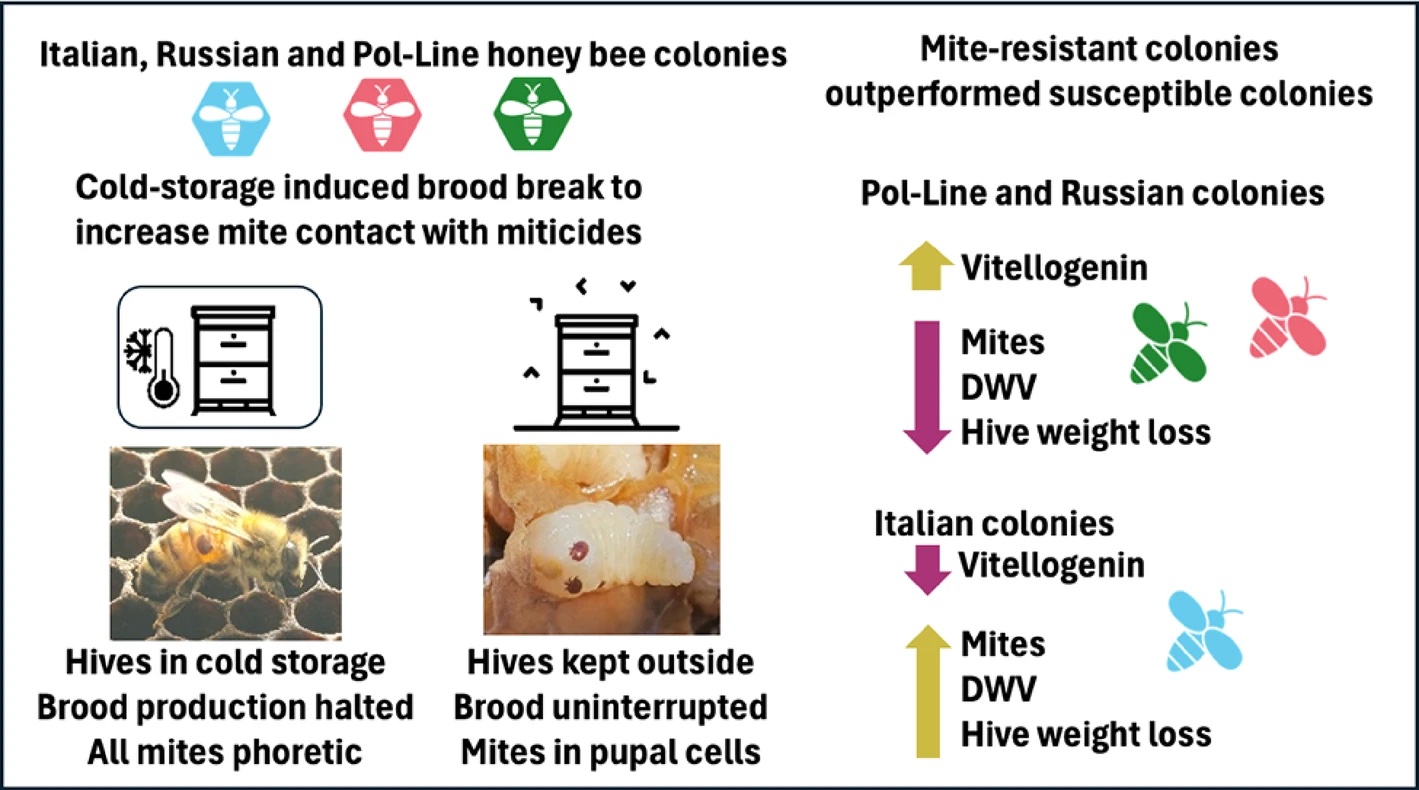
Can breeding be more effective than recurring interventions against varroa? A new study compares varroa-resistant bees with artificial brood breaks, highlighting clear advantages of genetic resistance.
20 August 2026
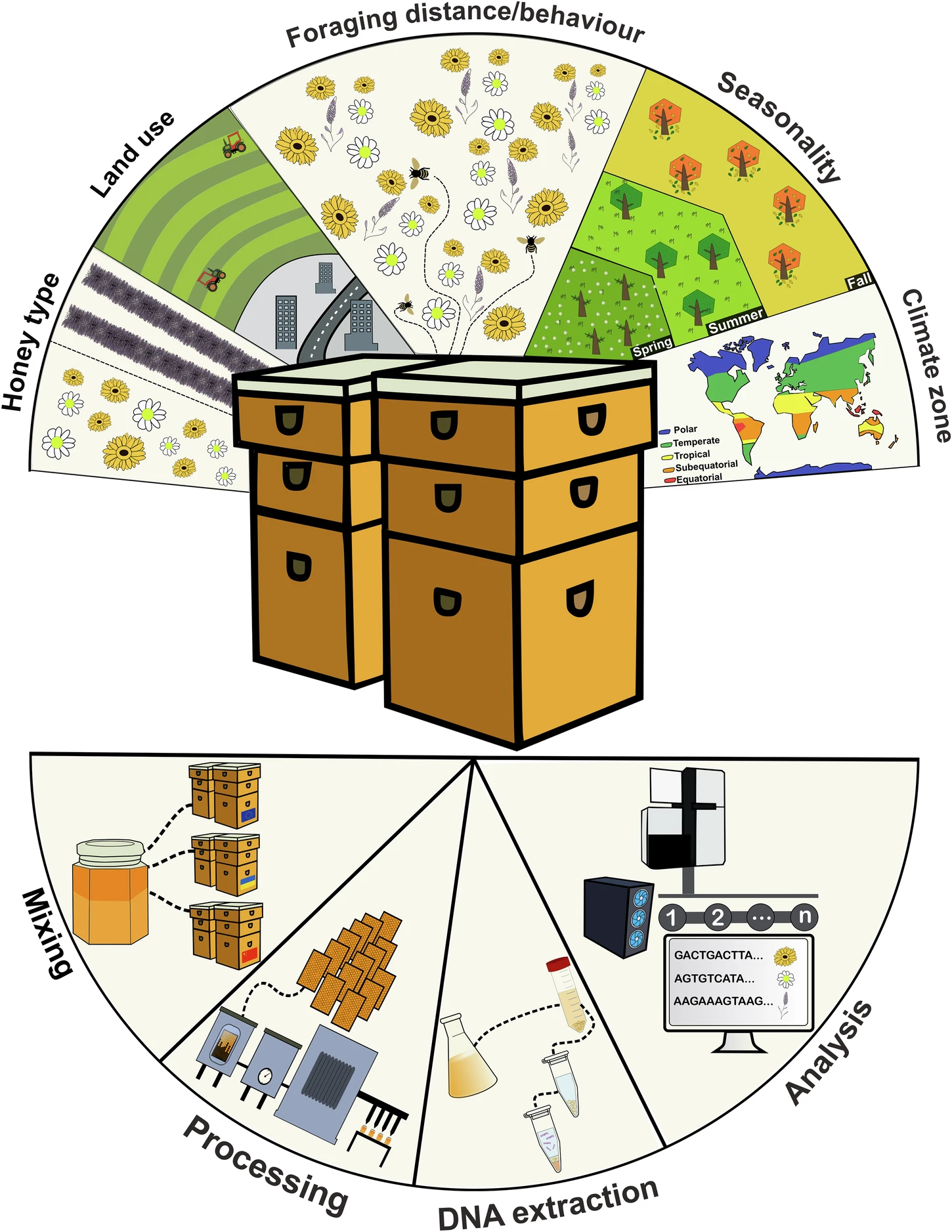
DNA sequencing is increasingly being highlighted as a potential tool to verify honey authenticity and origin. However, researchers at the EU's Joint Research Centre warn that the technology still needs validation before far-reaching conclusions can be drawn.
20 August 2026
Researchers have developed a system combining cameras, sound, and environmental sensors to detect Varroa destructor infestations without needing to open the bee colony. The results highlight both the potential and the rapid advancement of AI-based hive monitoring.
20 August 2026
The EU's new regulations are changing how honey blends must be origin-labeled. Simultaneously, a larger effort is underway regarding the possibility of tracing honey through the supply chain – from beekeeper or importer to the consumer.
20 August 2026